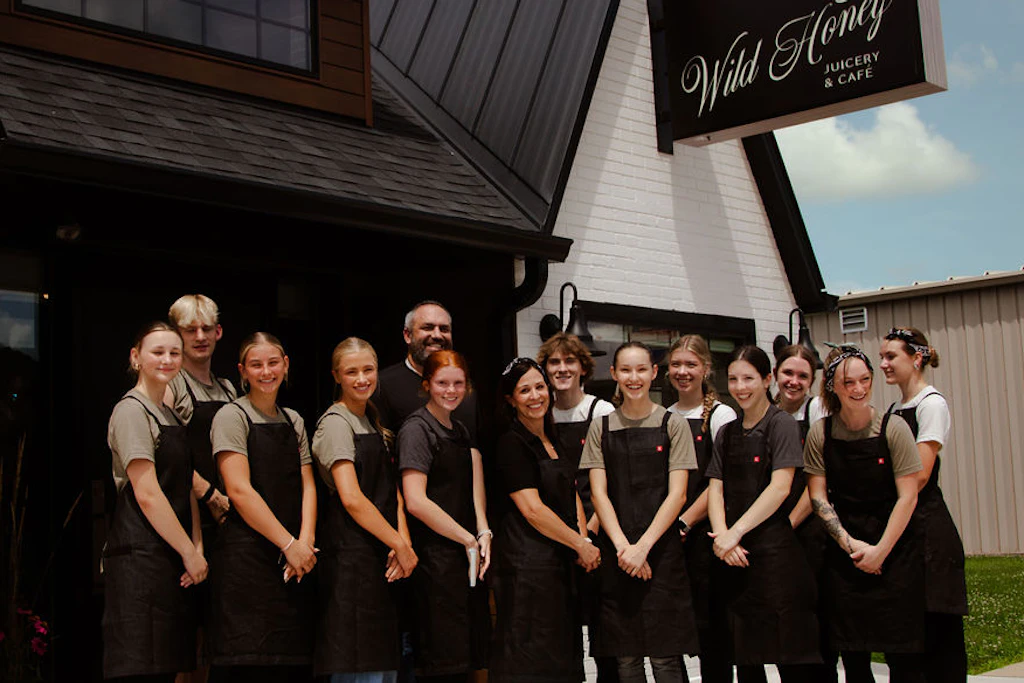
I'm Chef Ari. I'm a classically trained chef, and I lead Goodnature's consulting team. Over the years I've worked with hundreds of juice bars, natural grocers, and luxury hotel brands in the US and internationally. Some projects stay with you, and Wild Honey is one of them.
Wild Honey is a juice bar and cafe in a very small town by the name of Richland Center, Wisconsin. Toni and I worked together over about two years as a full turnkey project. We started with a kickoff meeting in 2024, then moved onto branding, menu development, equipment and small wares, recipe cards, a sanitation plan, in-person staff training, a soft opening, and a grand opening. I want to tell you how it actually went from where I sat, including what went well, what was hard, and why I came away so impressed with Toni and the Wild Honey team.
Questions about juicing?
Ask Goodnature and get an answer in seconds.
What "turnkey" means when I take on a project
Our turnkey packages guide a client through the entire process, from initial branding, finding a location and planning the build-out all the way through opening day. It's the deepest level of help we offer. Our consulting team has worked with over 500 juice and smoothie bars in the past ten years, and most openings follow a similar path. Clients just come to us at different stages of it. A turnkey client usually comes to me at the very beginning.
That's where Toni was. She had no background in foodservice, however her experience in the medical field turned out to be a very valuable asset.
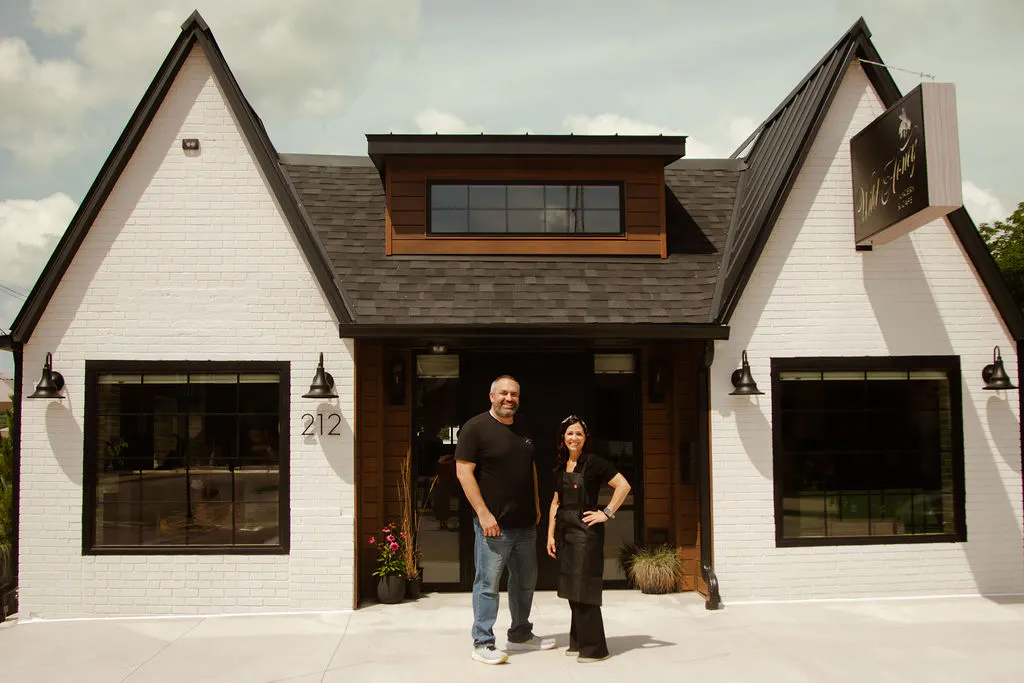
Meeting Toni
Every project starts with a kickoff meeting where I learn who the client is and what they already bring to the table. Nobody arrives empty-handed. There are always skills from a previous career that carry over into running a restaurant (yes, a juice bar is a restaurant, and should be thought of that way).
With Toni, I saw right away that she was very good at the business side: accounting, financing, organization, operations, and more. That's a big deal. Plenty of talented juice bar owners struggle with exactly those things. It meant I could put my energy into the culinary and operational side while she handled the business side with confidence. Most of our turnkey clients don't have these skills, which is fine too! Every client is different.
She also already had a location in mind, an old building, about 100 years old as I recall. Knowing the space early meant we knew what we were working with from day one.
Finding the brand together
Toni didn't even have a name yet when she came to Goodnature. What she did know was that she loved honeybees and that she was drawn to the colors hunter green and gold. That was a great starting point. We went through the design styles and colors she liked, put it all down on paper, and gave her a few options. Picking the name became part of that exercise, and we landed on Wild Honey, with lots of bees and honeycomb in the visual identity.
This image is a page from the final brand guide we delivered to Toni at the end of the branding phase:
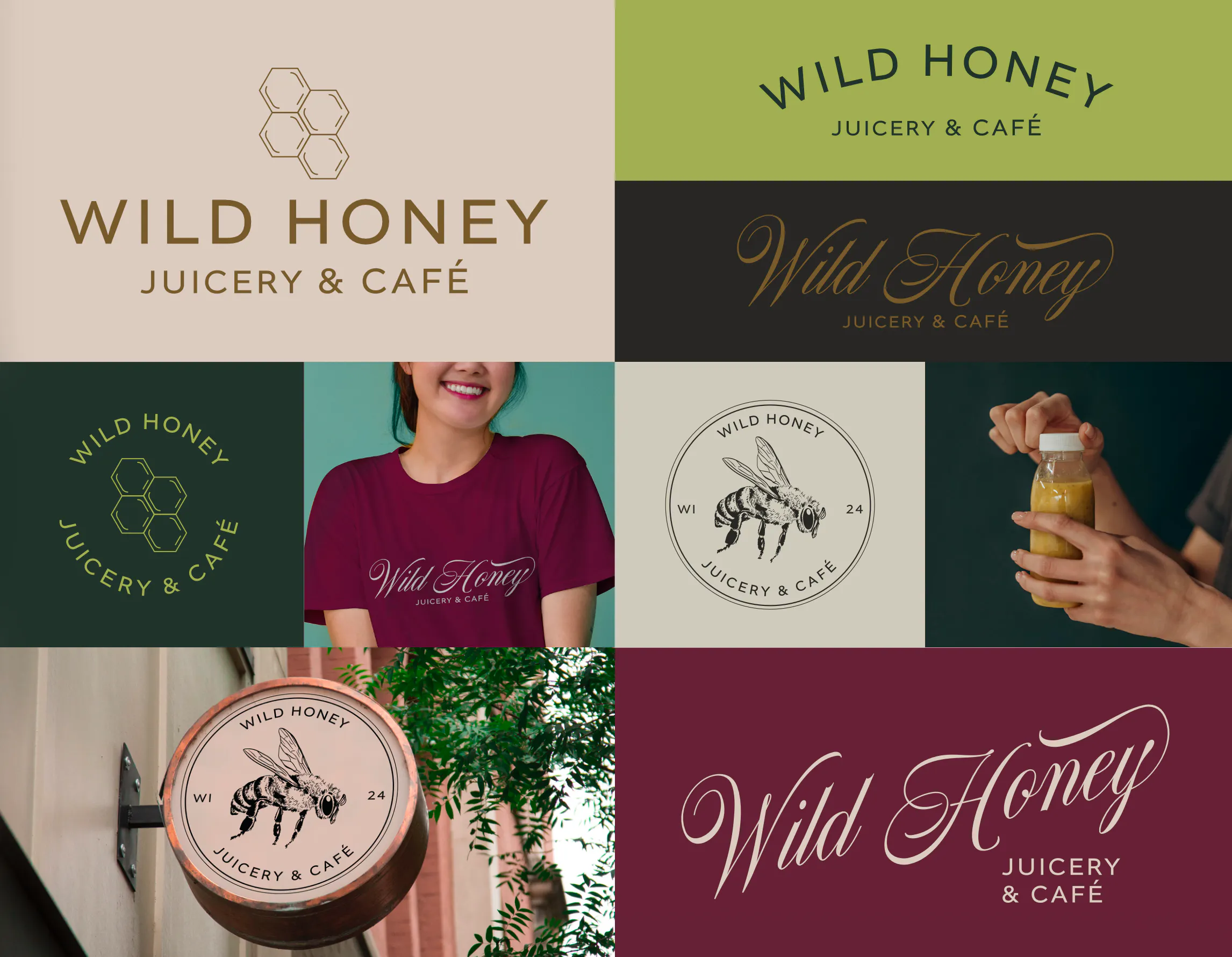
One thing that made our job easier: Toni showed up with Pinterest boards and a pile of pictures of what she liked. The hardest version of this work is a client who just says, "Give me a juice bar you think would work." With reference images, we at least have a path to go down from the start. If you're thinking about working with me, I recommend starting to collect examples of brands you like. And, it doesn't have to be juice bar brands. In fact, sometimes it's better of it's not, since it can be a more unique take on a juice bar brand.
Building the menu, and rebuilding it
Once the branding was set, I used it to inspire the menu. I also looked closely at two practical things: the demographic and the space.
Reading the town
Wild Honey's town didn't have much of a healthy food scene, and many people there were new to juicing.
I've learned from projects in places like Alaska and Oregon that not all small towns are the same. Some really do lean toward sweeter, fruit-forward drinks. But in farming communities, where people get up early and work hard all day, the menu can often lean greener and less sweet. Toni's area has a lot of farmers, and her first few months of sales have shown that small town doesn't automatically mean sugary. That was one of the most satisfying things to see on this project.

Working within the space
The original kitchen was small, so my first proposal was a set of menu categories we could comfortably execute in that space. From there I started creating and testing recipes.
Every recipe I build is for that client. I don't hand anyone a recipe I've already sold to someone else. As we discussed on Goodnature Radio, we start from scratch on a call about your style and build the menu around your likes and dislikes, combined with what we know works.

Three versions of the menu
The Wild Honey menu went through three stages, and it's a good example of why I hold bi-weekly meetings throughout a project. Toni was involved the whole way. She saw what we were developing, told me what she liked and didn't, and heard why I was making each recipe choice.
- First installment (no ovens or hood): juices, smoothies, plant-based milks, coffee, and grab-and-go items such as overnight oats, chia puddings, and bowls. Simple, approachable products a small kitchen can handle.
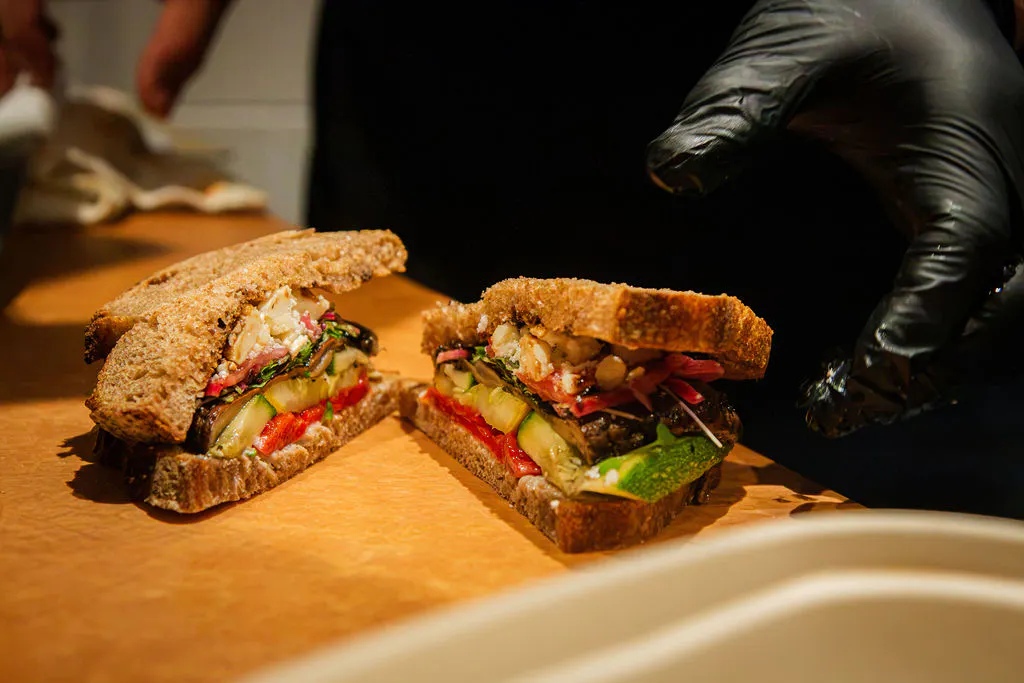
- Hot breakfast and brunch: During the remodel, Toni gutted the building down to the walls, which made room for grills, burners, flat tops, and a ventilation system. That opened up hot breakfast. Toni found local farms to work with, including a local cornmeal that let us do gluten-free cornmeal pancakes, alongside a lemon ricotta pancake. Really great stuff (If I do say so my self)!
- Adding quality proteins: At one point I realized we'd gone too far in avoiding animal proteins. Her customers are farmers and dairy workers, and they're not strictly vegan or vegetarian. So we added locally sourced bacon and sausage, beef options, and sandwiches with chicken, steak, and even salmon as add-ons, while keeping vegetarian choices. Juice bars starting as vegetarian / vegan and pivoting to more protein based options is more common than you might think. You really do need to be open minded if the goal is a sustainable business.

The guiding goal stayed the same through every version: no processed sugars, and food that's approachable, so nobody has to think hard about whether it's good for them. By opening, the menu had close to 50 items, from smoked salmon platters to almond milk lattes and a full coffee program. It had become a full restaurant menu.
That's bigger than most juice bars, but the direction is common. As Cold-Pressed Juice Bar Business Plans: The 4 Basic Models points out, a retail juice bar today needs to offer more than bottled juice in a cooler, including other beverages and food options.
Equipment, small wares, and systems
We built the equipment list with Toni while she was planning the build-out, because equipment drives layout, utilities, and ventilation. For juice, she went with a Goodnature X-1. She also has a Hummingbird, which she bought to test recipes while she had time and to run events on the side. For a broader look at what goes into a cold-press kitchen, see our juice bar equipment list and kitchen layout guide.
Once construction was wrapping up and the menu was basically set, we went deep on small wares: towels, knives, the right scoop for every product, everything you could think of. It's the unglamorous part, but it's what makes a line run smoothly on day one.

Then I created recipe cards for each station, written to be easy for employees to read mid-rush, plus a sanitation plan and plenty of organization tools to make training as easy as possible. A related tool I like is a dietary page in the staff binder that lists gluten-free and dairy-free options, so staff don't have to run to the back every time someone asks, as I described on Goodnature Radio.
The challenges
No project this size goes in a straight line, and I'd be doing you a disservice if I pretended otherwise. These were the big ones on Wild Honey:
- Time. The whole project ran about two years, and most of that was the build-out and full renovation of a century-old building. Construction, contractors, and permitting always take longer than people plan. The good news is that the consulting side doesn't usually hold anything up. The menu, training materials, and systems can almost always get ahead of construction and permits, and that's what we did.
- A moving kitchen. I designed the first menu for a small kitchen with no ovens or hood. When Toni gutted the building, the menu had an opportunity to grow with the space.
- Getting the menu right for the customer. Pulling back on animal proteins was a miss on my part, and I said so. Her customers wanted heartier options, and we adjusted.
- A big, flexible staff to train. Many of Toni's employees were in school or working Wild Honey as a second job, and it's a seasonal area, so she needed a deep bench to cover everyone's scheduling. That meant training a large group in a short window.
- Starting from zero. Opening a restaurant is overwhelming from every angle, especially for someone coming from outside the industry.
Training the Wild Honey team
I came out to Wisconsin for a few days of in-person training, and this is where I got to know the team. We already had a plan for which station would make which items. In training, we:
- Broke the team into stations
- Ran through every recipe with every employee
- Role-played service so each person could practice their station
The town is so small that people were trying the doors while we were still training. That told me how much the community wanted this place.

The soft opening: the payoff
We never formally announced a soft opening. Eventually Toni just unlocked the door, people came in to try things, and she texted and called a bunch of folks to come by. She had a photographer there, and we ran a two-day soft opening.
The official soft open the next day went exactly how a soft opening should, with a line basically out the door. A soft opening isn't supposed to be perfect. It's supposed to surface mistakes. For example, we had a breakfast plate with eggs, a choice of protein, and sweet potato hash, and the order taker wasn't asking how guests wanted their eggs, so that information never reached the ticket. The team fixed it on the spot. That's what soft openings are for, and it's what I want to see from a crew on day one: catch it, fix it, keep moving.
The grand opening came a few weeks later. Wild Honey basically stayed open after the soft opening, taking a couple of days off before gearing back up. A grand opening is really the official celebration. You may already be serving customers, but it's the big party that marks the start.
What made this project work
Looking back, the success of Wild Honey comes down to the people. Toni is an amazing client. My guess is that years of high-stress medical work prepared her well, and she handled everything with grace. She had ideas about what she wanted but didn't know how to put them on paper, and that's precisely where I come in. She stayed involved in every bi-weekly meeting, sourced from local farms, and pushed the menu to fit her community.
And her team showed up. They learned a nearly 50-item menu across stations, handled a line out the door at the soft opening, and fixed problems in real time. You go through a lot together over two years, and I'm proud of what Toni and the Wild Honey team built.
If you're planning your own opening and want help with menu development, staff training, or the operational side, that's exactly the work I do through Goodnature consulting.
FAQ
What does a Goodnature turnkey juice bar consulting package include? It guides a client from finding a location and planning the build-out through opening, including branding, custom menu development, equipment list, small wares, recipe cards, a sanitation plan, in-person staff training, and support through soft and grand openings. Each project is different and all turn key packages are custom to the client and their needs.
Do I need restaurant experience to open a juice bar with Goodnature consulting? No. In fact, most of our clients do not have any foodservice experience, and that's why they come to Goodnature and Chef Ari.
How long does a turnkey juice bar project take? Turn key packages can be executed in as little as 90 days, however the clients usually need more time. Usually scouting a location, signing a lease, getting permits and health board approval are the longest running tasks. We guide our clients through every step.
Will Chef Ari give me the same recipes as other juice bars? No. Recipes are developed from scratch around each client's style, likes, dislikes, demographic, and kitchen space. Every recipe is tested and adjust to meet the client's needs.
What equipment did Wild Honey use for juice? Wild Honey uses a Goodnature X-1 for juice production and a Hummingbird for recipe testing and events.
Helpful resources
Join Our Mailing List
Join our mailing list to get new juicing articles and recipes sent directly to your inbox.
About The Author
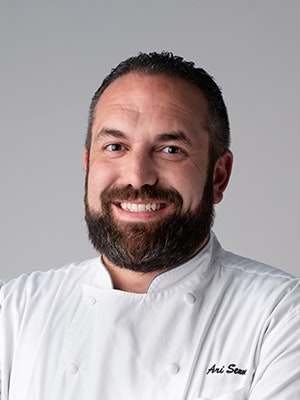
Chef Ari Sexner
Juice Business Consultant at Goodnature
Ari Sexner is a classically trained chef who has worked at some of the finest dining restaurants in America, and eventually made his way into cold-pressed juice, developing the first USDA Certified Organic juice program on the Las Vegas strip for Bellagio Hotel. He currently works as a full time consultant, guiding new cold-pressed juice companies through kitchen planning, operations, recipe creation, food costing, sourcing ingredients, HACCP and SSOP programs, USDA Organic Certification, and more.
Comment