Why Not to Pasteurize Cold Pressed Juice
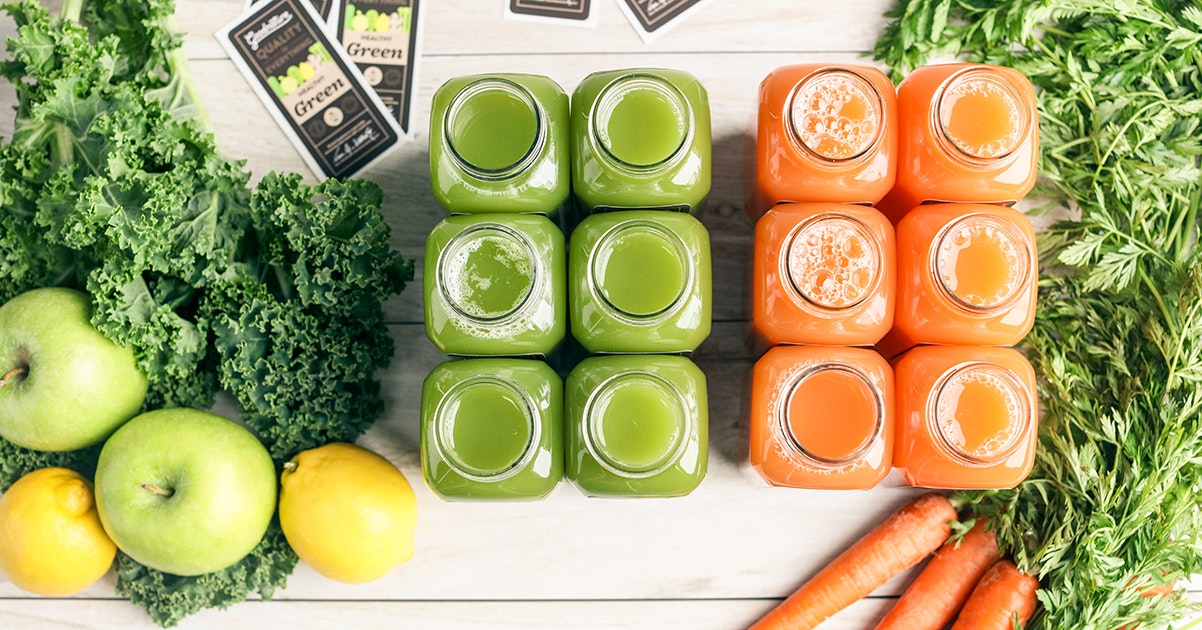
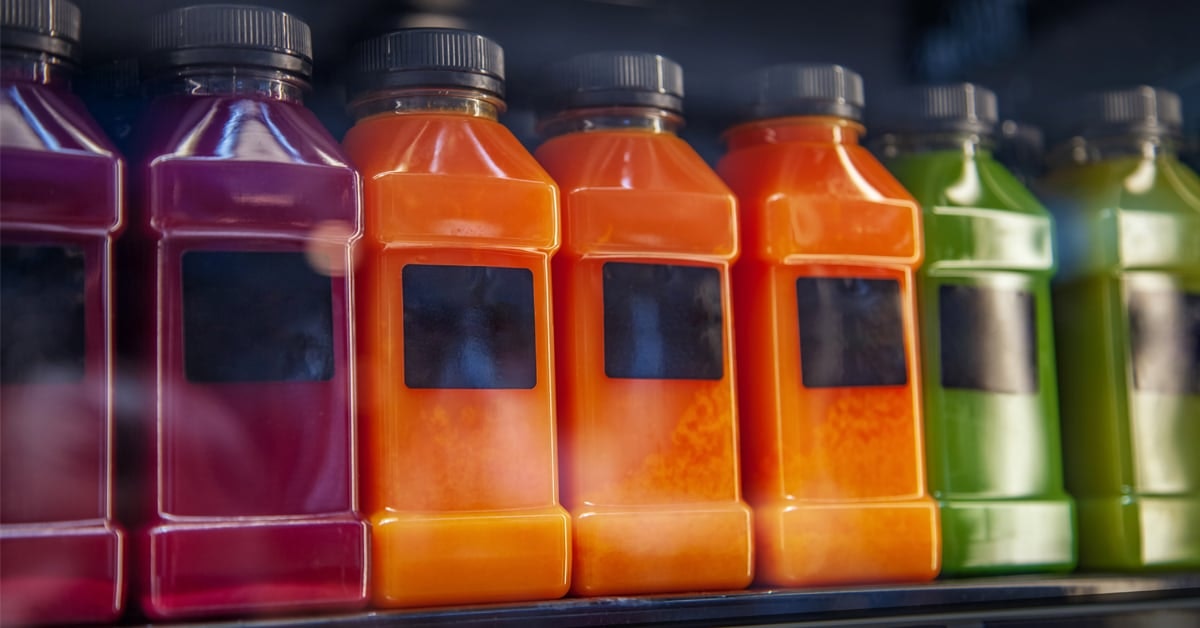
Our customers are always asking about how to extend the shelf life of cold-pressed juice. Basically, it comes down to a few options that we will cover in this post.

Juice Bars are Eligible for The Restaurant Revitalization Fund
The government is rolling out a new type of COVID relief, specifically for restaurants and they are calling it the Restaurant Revitalization Fund. Juice bars, restaurants, and bars are eligible. The official description of the program: “This program will provide restaurants with funding equal to their pandemic-related revenue loss up to $10 million per business and no more than $5 million per physical location. Recipients are not required to repay the funding as long as funds are used for eligible uses no later than March 11, 2023.” This program is going to be a huge help for juice bars and restaurants who had lower than normal sales in 2020 due to forced shutdowns. The List of Eligible recipients: Restaurants Food stands, food trucks, food carts Caterers Bars, saloons, lounges, taverns Snack and nonalcoholic beverage bars Bakeries (onsite sales to the public comprise at least 33% of gross receipts) Brewpubs, tasting rooms, taprooms (onsite sales to the public comprise at least 33% of gross receipts) Breweries and/or microbreweries (onsite sales to the public comprise at least 33% of gross receipts) Wineries and distilleries (onsite sales to the public comprise at least 33% of gross receipts) Inns (onsite sales of food and beverage to the public comprise at least 33% of gross receipts) Licensed facilities or premises of a beverage alcohol producer where the public may taste, sample, or purchase products How Much You Can Receive The formula depends on how long you’ve been in business. There is even relief available for companies who spent money in 2020 but aren’t open yet. Calculation 1: for applicants in operation prior to or on January 1, 2019: 2019 gross receipts minus 2020 gross receipts minus PPP loan amounts Calculation 2: for applicants that began operations partially through 2019: (Average 2019 monthly gross receipts x 12) minus 2020 gross receipts minus PPP loan amounts Calculation 3: for applicants that began operations on or between January 1, 2020 and March 10, 2021 and applicants not yet opened but have incurred eligible expenses: Amount spent on eligible expenses between February 15, 2020 and March 11, 2021 minus 2020 gross receipts minus 2021 gross receipts (through March 11, 2021) minus PPP loan amounts For those entities who began operations partially through 2019, you may elect (at your own discretion) to use either calculation 2 or calculation 3. Example So, if you normally do $2M in gross receipts (sales) and in 2020 you only received $1M in gross receipts, plus $100k in PPP, you are eligible for $900K in funding. The money may be spent on a list of qualified expenses. The list appears to be basically all regular day-to-day expenses for a food and beverage business, and even includes outdoor furniture. How to apply: “You can apply through SBA-recognized Point of Sale (POS) vendors or directly via SBA in a forthcoming online application portal: https://restaurants.sba.gov. Participating POS providers include Square, Toast, Clover, NCR Corporation (Aloha). If you are working with Square or Toast, you do not need to register beforehand on the https://restaurants.sba.gov application portal.” Registration for the SBA application portal will begin on Friday, April 30, 2021, at 9 am ET. Applications will open on Monday, May 3, 2021, at noon ET. Funds are limited to about $10B, so there is a chance that not everyone who applies will receive funding. Make sure you apply early! The information on this blog article may be out of date, please refer directly to the SBA Website for the most up-to-date information.
Achieving Maximum Hourly Output from Your Juicer
Here’s an insider secret—few operations are actually achieving the maximum output of their commercial juicer. In order to understand why, let’s start with thinking about a juicing operation from a high level. There are several steps in the process including:
How To Store Produce for Juice
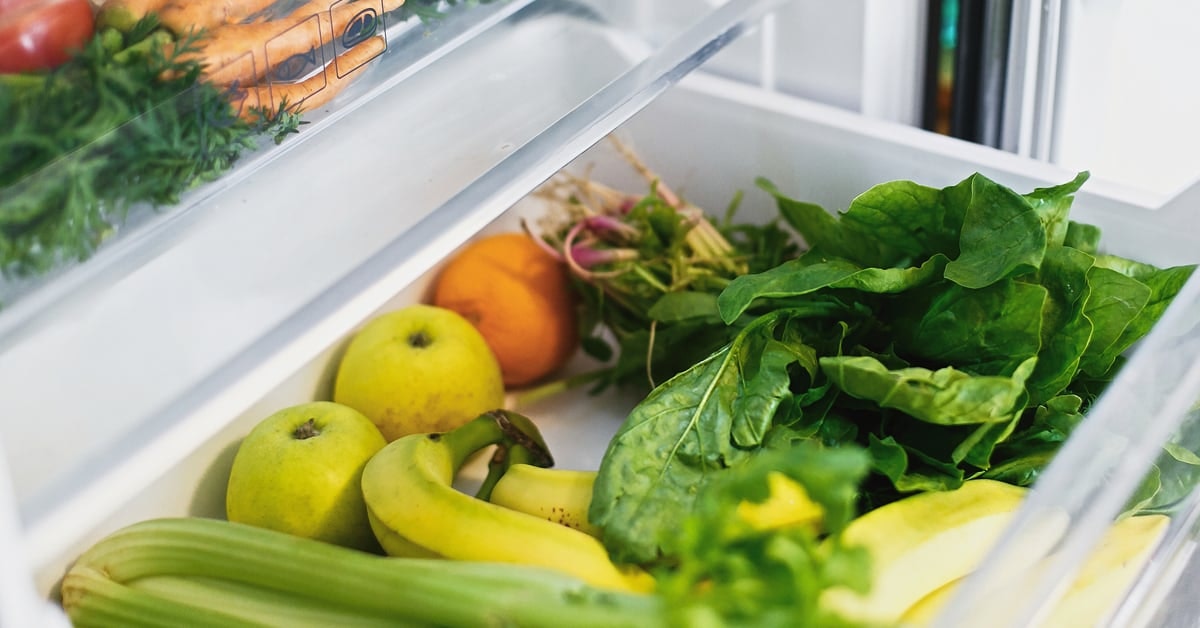
Should I store all of my produce for juice in the refrigerator? This is a common question from both the at-home juicer (especially when preparing for a juice cleanse) and the commercial juicer. In this article, we will cover recommendations for storing produce both at home and in a commercial kitchen.
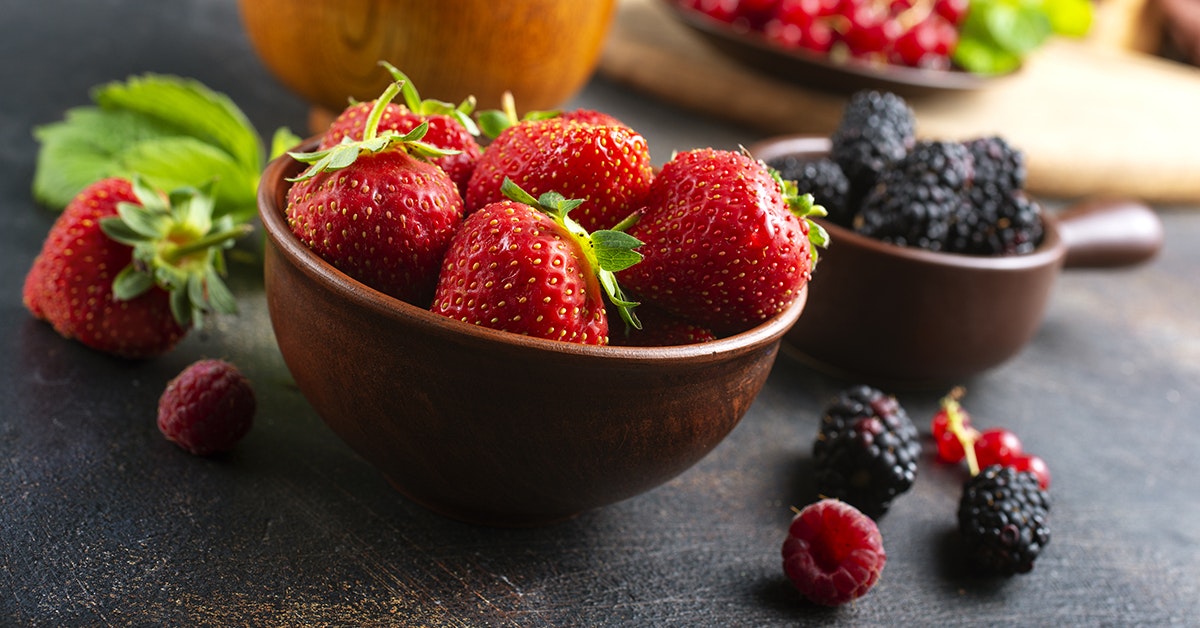
Adding Pureed Fruit to Your Fresh Juice Recipes (Why & How-To)
If you’ve ever tried juicing a mushy (or un-juiceable) fruit only to end up with a tough-to-drink mess, this guide is for you. We often get asked about juicing fruits like mangoes, kiwis, berries, and peaches. People are used to seeing these fruits in the “juices” that are found on the supermarket shelves. These blended juices are typically thick with an unpleasant mouth-feel and are often made with thickeners, gelling agents, and other additives not found in raw juice. While those store-bought “juices” might be tasty, they are not as healthy or nutritious as raw, freshly pressed juice. So, how can you incorporate fruits like peaches into your homemade juice creations? As a puree, of course! This article will cover: Should You Puree or Juice It? How to Add Pureed Fruits to Fresh Juice Tips and Tricks for 7 Types of Fruits Bonus: Adding Purees to Nut Milks
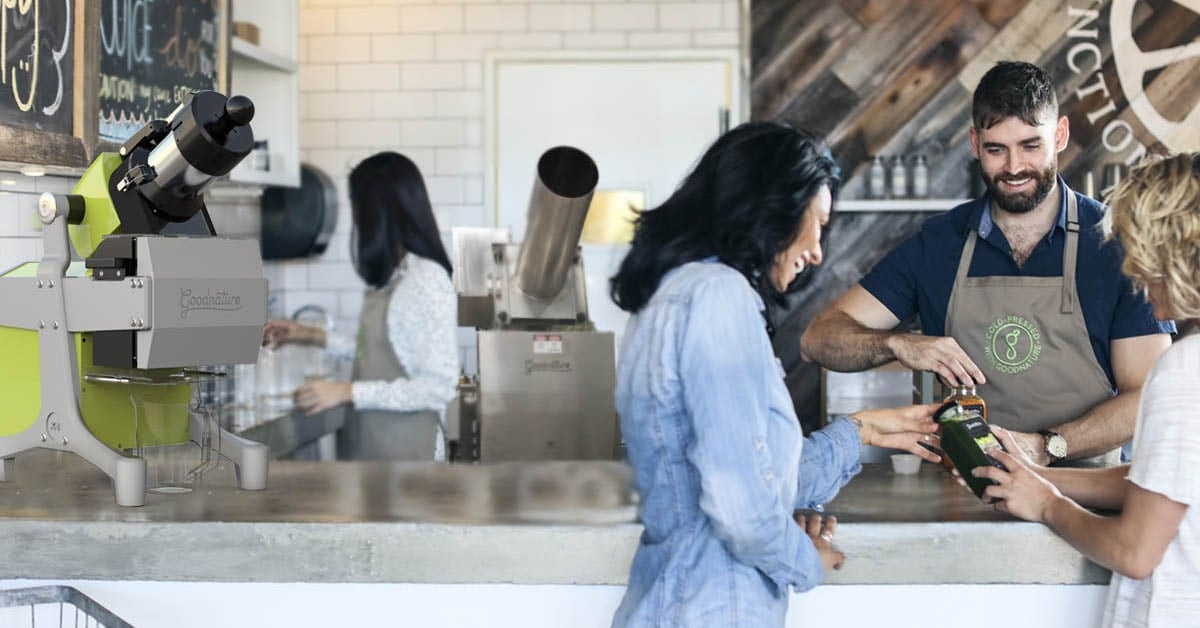
Comparing M-1 vs X-1 Mini vs X-1 Juice Presses
All three cold press juicers make what is known as the world’s best juice. Goodnature machines are genuine juice presses with a moving plate – meaning you get the most pure, clean, nutritious juice you can possibly make.
Keeping Juice Fresh – Time and Temperature Abuse
I was in LA back in 2015, and my friend Adam was visiting from Australia to do some research about the juicing industry. I organized a factory tour for us of what was (at the time) the fastest growing, potentially most recognizable brand of cold-pressed juice in LA. I won’t mention the name, but let’s call it “Danger Juice”.
Juice Makers Association Now Open for Membership
Why the JMA Exists. Ever since cold-pressed juice became a real industry, it has faced challenges. And no, I’m not talking about the inherent challenges of running a raw juice business – high cost of goods, short shelf life, expensive labor costs, equipment costs, and overhead. I’m talking about the other stuff:
Cold Press Technique – Avoiding Press Overflow
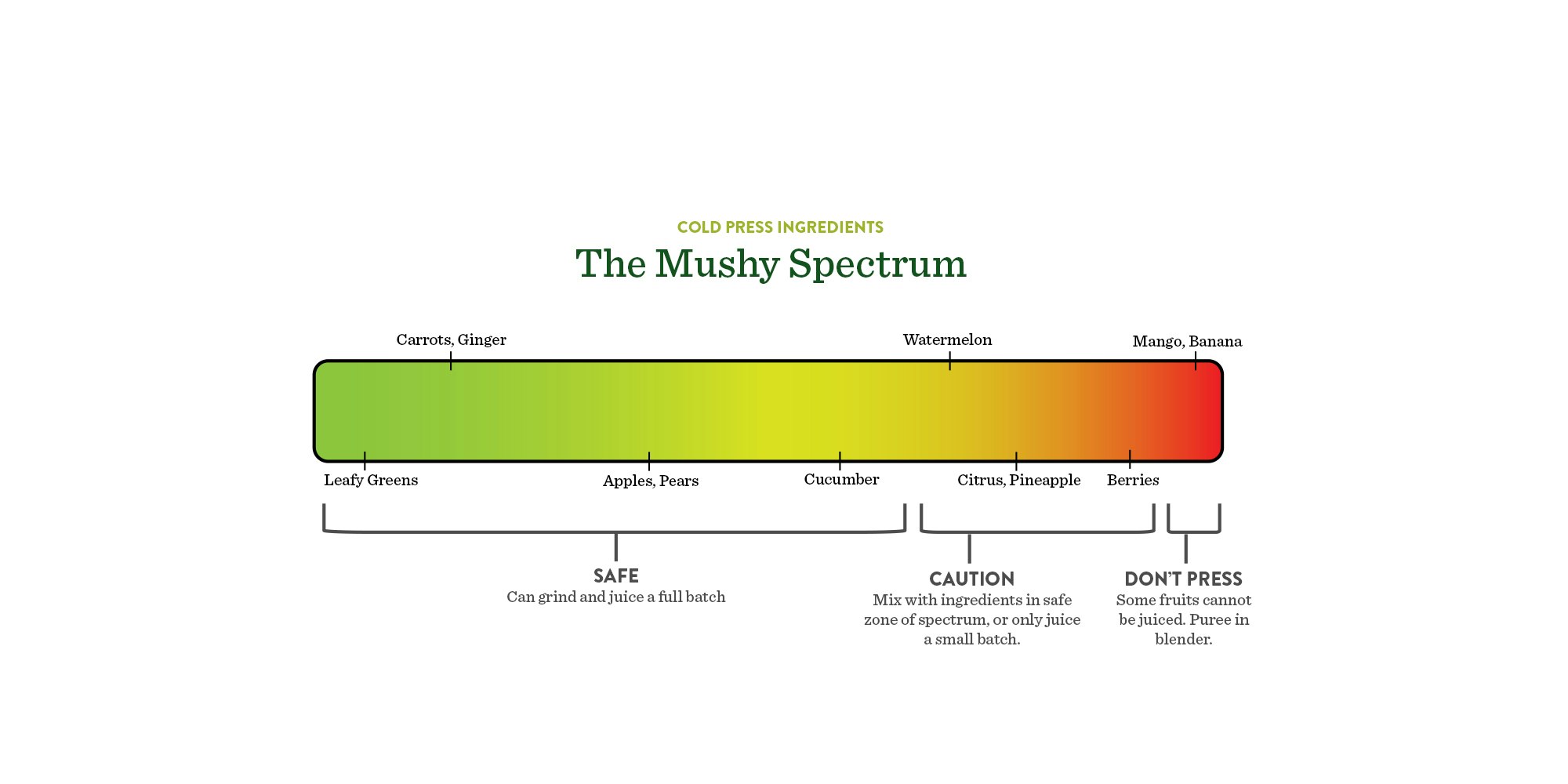
One of the biggest struggles of learning how to cold press is trying to press certain ingredients and ending up with the press overflowing and the ground-up produce ending up on the counter. Here I’ve attempted to put together a complete guide to getting the perfect press every time and never ending up with the press overflowing.
How Do Juicers Work? It Depends on the Type of Juice Machine
Juicing has blown up in recent years due to the amazing health benefits and convenience. But if you might be wondering “how does a juicer work?” The answer varies depending on the type of juicer. The four most common types of juicers, each of which we will cover today, are: Centrifugal juicers Masticating juicers Twin gear juicers Cold press juicer machines Let’s dive right into the juicing process of each machine. How Do Centrifugal Juicers Work? The most popular home juicer due to its cheap price, centrifugal juicers shred fruits and vegetables at 6,000-14,000 rotations per minute (RPM). No wonder they’re also known as fast juicers. Produce is fed through a tube until it makes direct contact with the fast-spinning blade. The resulting juice is thrown at high speed towards the sides of the machine by the centrifugal force of a spinning basket. From there, it’s pushed through a sharp screen into a jug or glass. The cheap price and speedy juicing process comes with downsides. The juice from centrifugal juicers tends to separate and break down quickly. And since the produce is essentially being chopped up at super-speed, centrifugal-made juice includes up to 30% solid produce matter (skins, seeds, insoluble fiber, and stems). Centrifugal juicers are best for juicing beginners on a budget who want to put in as little effort as possible. If you want to pre-make juice for later consumption or make large batches, a centrifugal juicer is not for you. It’s better for people who want to make a glass of fresh juice or two to drink right away. You can learn more about the pros and cons of centrifugal juicers here.
How to Pick a Ripe Cantaloupe
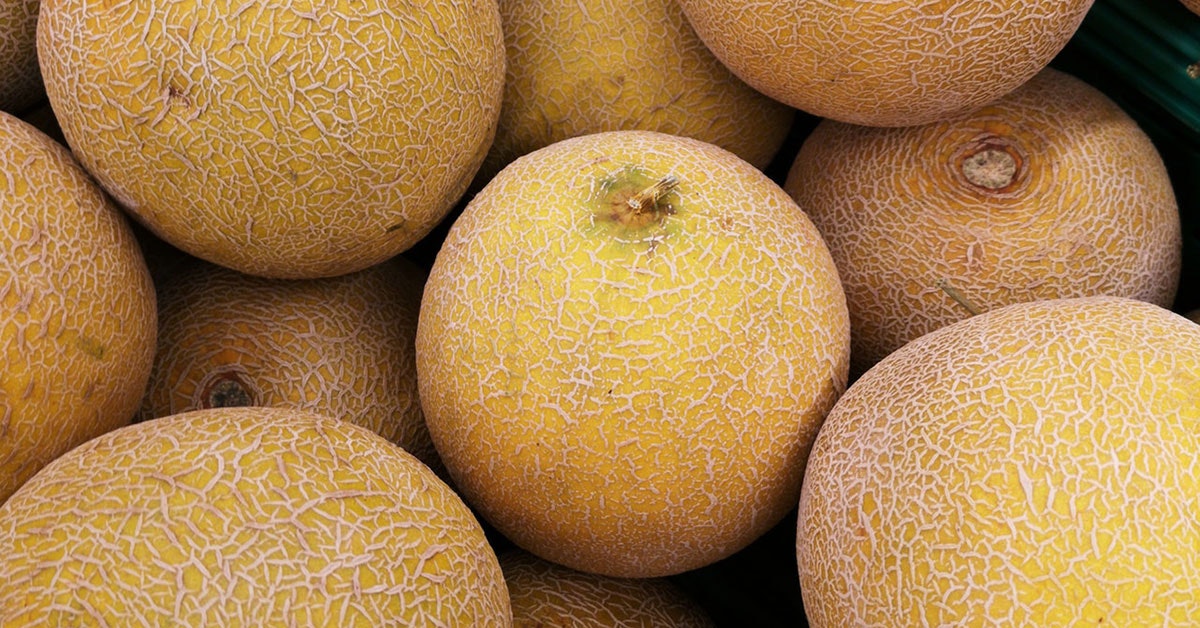
There’s truly nothing worse than the feeling when you blissfully cut into your fresh, new cantaloupe from the grocery store only to find that it is overripe and fermented. Gross, right? Sadly, we’ve been there before (more than once if you count other fruits). So, how do you find a perfectly ripe cantaloupe? Today, we’re going to answer that question with 4 tips on how to choose the best ripe melon out of the bunch: Check the Outside of the Cantaloupe Take a Peek at the Stem End of the Cantaloupe Tap the Cantaloupe Do the Smell Test Before we dive in, we have to go over the amazing health benefits of cantaloupe melons, right? Cantaloupe Health Benefits Not only are fresh cantaloupes deliciously sweet and low in calories, but they also aid in hydration, digestion, decreasing inflammation, and more! Adding more rockmelons (the Australian word for cantaloupe) into your diet will help you shower your body in vitamins and minerals. But how do you find the best cantaloupe in the produce section? Keep reading for our great tips!
Cold-Pressed Juice Bar Business Plans: The 4 Basic Models
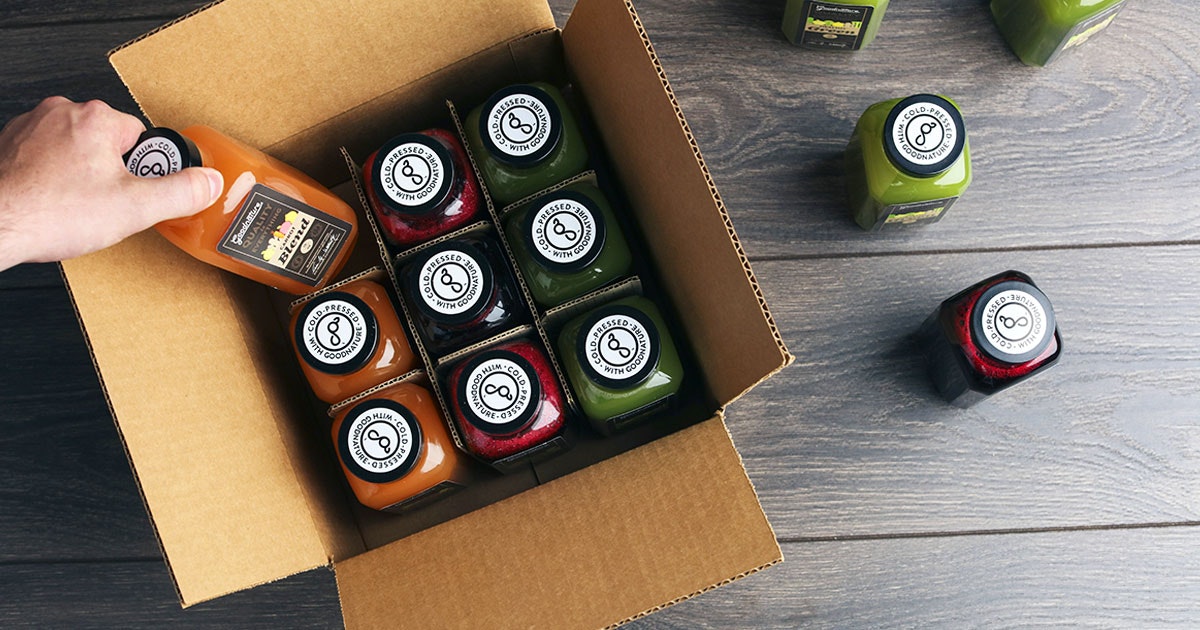
If you’re looking for a juice bar business plan, you’ve come to the right place. In this article, I’ll go over the four basic business models for a cold-pressed juice bar / business.